
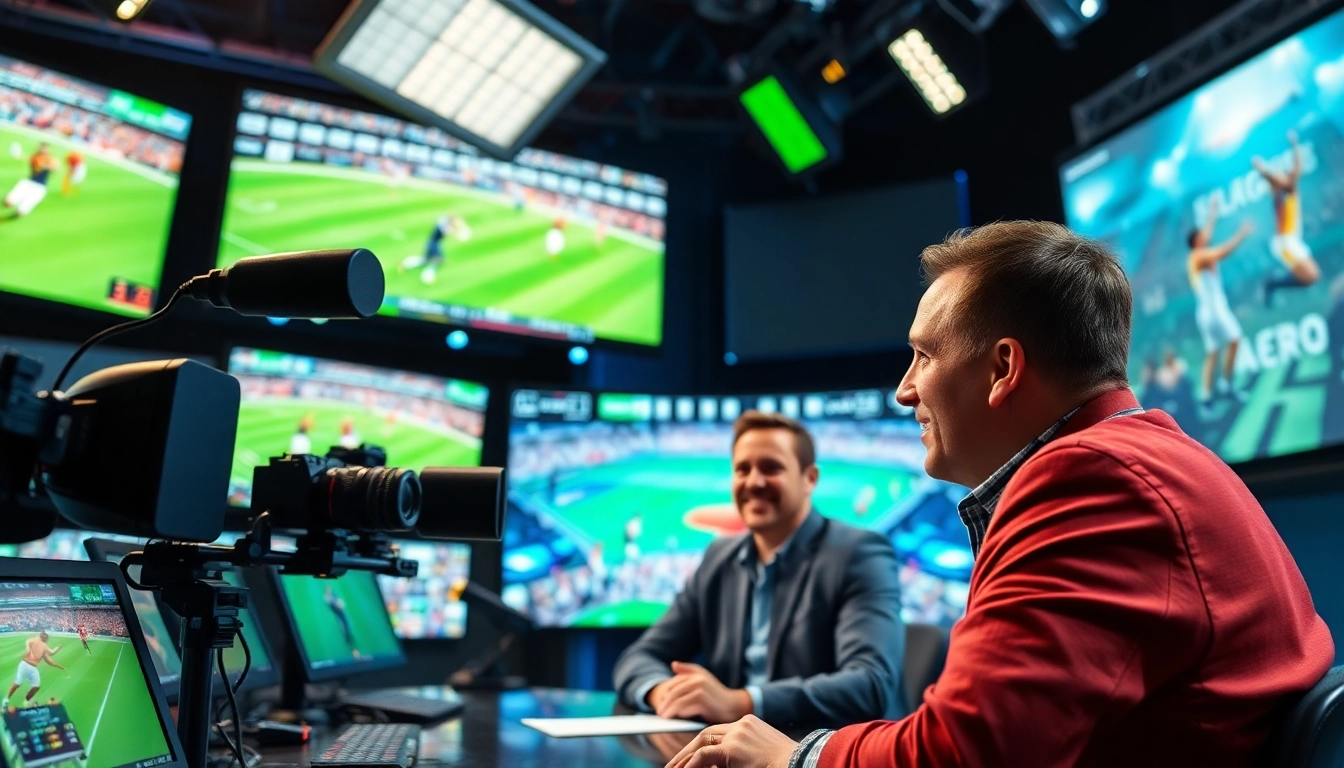
Understanding the Fundamentals of Sports Broadcasting
Sports broadcasting is a vibrant field that merges the excitement of athletic competition with the art of communication. It encompasses various formats and styles of presenting sports events to viewers across diverse platforms. This domain is crucial as it not only informs but also entertains an audience that is passionate about their favorite sports and teams. By leveraging evolving technologies and engaging storytelling techniques, professionals in this industry transform mere games into thrilling experiences for fans worldwide. One can find valuable resources on Sports Broadcasting to further understand this complex field.
The Role of a Sports Broadcaster
A sports broadcaster acts as the voice of the game, responsible for delivering play-by-play commentary, analysis, and insights during live events. This role is multifaceted, involving real-time commentary, background information, and interpersonal skills to connect with the audience. Broadcasters often work closely with production teams to ensure seamless transitions between live action, replays, and commentary, fostering an engaging viewing experience.
Key Skills Required in Sports Broadcasting
Successful sports broadcasters possess an array of essential skills. First and foremost, they require strong verbal communication skills to articulate their thoughts clearly and engagingly. Additionally, their grasp of sports knowledge, including rules, statistics, and player backgrounds, enriches their commentary. Other vital skills include quick thinking to respond to live situations, an ability to handle pressure, and a talent for storytelling that captivates viewers.
Types of Sports Broadcasting Formats
Sports broadcasting can take various forms, each designed to cater to specific audience preferences. Live broadcasting remains the most common format, providing viewers with real-time coverage of games and events. Another format is sports analysis shows, which dissect performances after events, offering insights into gameplay strategies and player statistics. Additionally, podcasts and sports blogs are becoming increasingly popular, allowing fans to explore in-depth discussions on sports topics at their convenience.
Technological Innovations in Sports Broadcasting
The landscape of sports broadcasting has been dramatically reshaped by technological advancements. Modern broadcasters utilize cutting-edge equipment and software to deliver content that is not only high quality but also incredibly immersive. This section delves into the current innovations that are influencing the way sports are broadcasted and consumed.
Impact of Live Streaming on Sports Broadcasting
Live streaming has revolutionized sports broadcasting by providing unprecedented access for fans. Platforms like Netflix and YouTube have paved the way for a new era of viewership, allowing audiences to engage with content on their schedules. This shift has necessitated a fresh approach from traditional networks, prompting them to enhance their offerings. With live streaming, fans can watch games from anywhere in the world, thus broadening the audience base and increasing opportunities for advertisers and sponsors.
Advanced Broadcasting Equipment and Software
The quality of a sports broadcast is heavily influenced by the equipment and software used. High-definition cameras with advanced capabilities allow for multiple angles and instant replays, enhancing viewer experience. Besides, software tools for graphics and statistics display dynamic data in real-time, making analyses more interactive and enlightening. Moreover, robotic cameras and drones have introduced innovative angles of coverage that were previously unimaginable.
Virtual and Augmented Reality in Sports Analysis
Virtual reality (VR) and augmented reality (AR) are poised to redefine sports analysis. These technologies allow for immersive experiences where viewers can virtually "sit" in the arena or engage in interactive analysis of plays and strategies. These innovations not only provide deeper insights into the game but also serve as valuable tools for broadcasters looking to differentiate their coverage in a competitive landscape.
Best Practices in Sports Broadcasting
To excel in sports broadcasting, professionals must adhere to best practices that enhance the overall quality and effectiveness of their broadcasts. This section outlines key strategies that broadcasters can implement to engage their audiences and improve veteran performance.
Research and Preparation for Broadcasts
Research is critical for successful sports broadcasting. Broadcasters must familiarize themselves with both teams' histories, player statistics, and recent performance trends. This knowledge allows for informed commentary that resonates with the audience. Preparation might include scripting segments, creating potential questions for guests, or coordinating with analysts and other contributors to ensure seamless coverage during broadcasts.
Engaging Your Audience Effectively
Engagement is a cornerstone of successful sports broadcasting. Broadcasters should develop a rapport with viewers through storytelling, humor, and personal anecdotes. Utilizing social media platforms to interact with fans can further enhance engagement. Incorporating viewer feedback and analytics can help broadcasters tailor their content to match audience preferences, fostering loyalty and increasing viewer retention.
Creating Memorable Broadcasts
To create memorable broadcasts, broadcasters must prioritize creativity and innovation. Unique segments, such as behind-the-scenes features or player interviews, can captivate audiences. Additionally, maintaining a consistent on-air persona helps build a connection with viewers, making them more likely to return for future broadcasts. Consideration of pacing, tone, and delivery enhances the overall viewing experience.
Challenges Facing Sports Broadcasting Today
Despite the immense evolution of sports broadcasting, several challenges persist. Broadcasters must navigate an ever-changing landscape influenced by technology, viewer preferences, and legal complexities.
Maintaining Quality Under Pressure
In the fast-paced world of sports broadcasting, maintaining quality is a constant challenge. Broadcasters often work under immense time constraints, making agile decision-making pivotal. Continuous training and skill development help broadcasters prepare for unexpected situations, ensuring that they can deliver high-quality content consistently.
Adapting to Evolving Viewership Trends
The preferences of sports viewers are always changing, making adaptability essential for broadcasters. Understanding demographics, engaging with fans through multiple platforms, and analyzing viewing habits can all inform a broadcaster's strategy. Keeping an eye on emerging trends can also provide broadcasters with an opportunity to innovate and differentiate their offerings.
Navigating Legal Issues in Sports Broadcasting
Legal complexities surrounding rights agreements and broadcasting laws may pose challenges for sports broadcasters. Staying informed about regulations and forming partnerships with legal experts can mitigate risks. Broadcasters must also navigate the ever-evolving landscape of copyright laws and intellectual property rights to ensure compliance while creating compelling content.
Future Trends in Sports Broadcasting
The future of sports broadcasting holds immense potential for innovation and disruption. As technologies evolve and viewer behaviors shift, several key trends are expected to emerge in the coming years.
Predictions for the Next Decade in Sports Media
Looking ahead, the next decade in sports media is likely to be dominated by an increase in personalized content, focusing on viewer preferences and consumption patterns. Broadcasters may employ advanced data analytics to curate content that resonates with specific audience segments. Additionally, the use of AI in content management could streamline production processes, offering more tailored experiences for viewers.
Role of Social Media in Sports Broadcasting Expansion
Social media's influence on sports broadcasting cannot be overstated. Platforms such as Twitter, Instagram, and TikTok provide broadcasters with dynamic ways to interact with fans and share updates. As congregating audiences online becomes commonplace, broadcasters can leverage these channels to build communities and engage viewers in real time, ultimately enhancing brand loyalty.
Sustainability Practices in Sports Broadcasting
Sustainability is becoming a crucial consideration across all industries, including sports broadcasting. Sustainable practices can range from reducing the carbon footprint of production through eco-friendly broadcasting technologies to promoting fairness and ethical practices in sports reporting. Increasingly, audiences are favoring broadcasters that demonstrate social responsibility, creating an opportunity for broadcasters to differentiate their offerings.
Frequently Asked Questions
What skills are essential for a sports broadcaster?
Essential skills include strong communication, in-depth sports knowledge, and quick thinking for live situations.
How has technology changed sports broadcasting?
Technology has introduced live streaming, enhanced graphics, and virtual reality, creating immersive viewing experiences.
What challenges do sports broadcasters face?
Challenges include ensuring broadcast quality, adapting to viewer preferences, and navigating complex legal frameworks.
How important is audience engagement in sports broadcasting?
Engaging the audience is crucial for retaining viewers and building a loyal fan base throughout broadcasts.
What are future trends in sports broadcasting?
Future trends may include greater integration of social media, personalized content, and innovations in viewer engagement technologies.