
Understanding the Concept of Lihat Di Sini
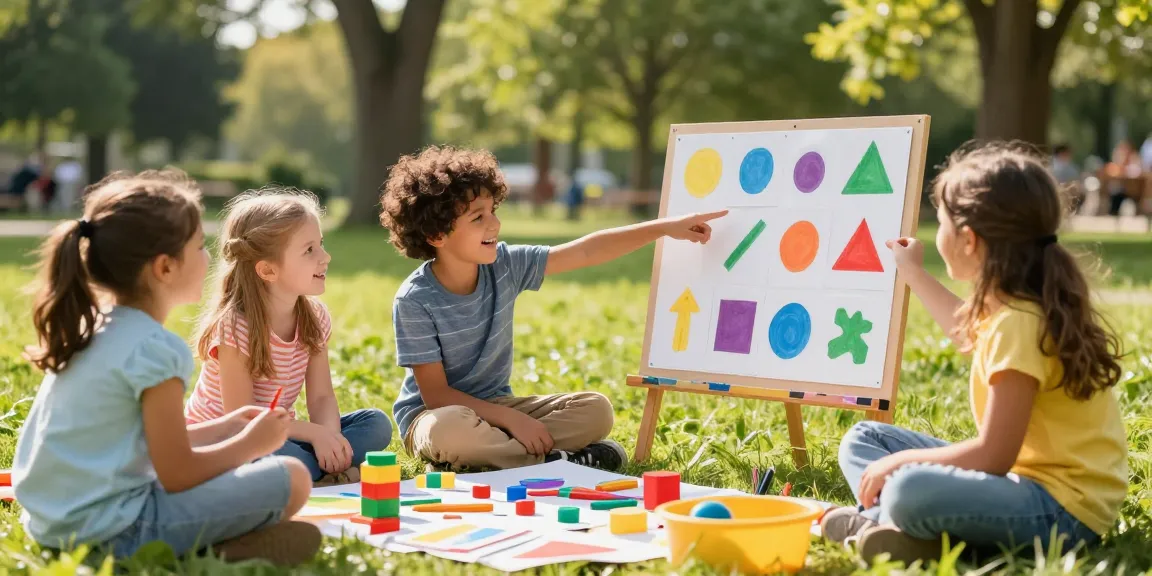
Lihat di sini is a phrase that emphasizes the importance of visual engagement in education, particularly for children. As educators and parents seek effective methods to foster learning, it becomes essential to explore how visual aids and interactive elements can enhance comprehension and retention among young learners. In a world where distractions abound, leveraging visual stimuli is not just advantageous; it is increasingly necessary. For those looking for resources and insights into this approach, lihat di sini can provide valuable information.
Defining Lihat Di Sini in Educational Context
The phrase 'lihat di sini' translates to 'look here' in English and is a call to action that can be particularly meaningful in educational settings. It embodies the principle of directing attention toward visual content, which can significantly aid in information processing, especially for young children. By capturing their focus and encouraging them to explore visual elements, educators can tap into a more effective learning modality that resonates with the natural tendencies of young minds.
Historical Perspective on Child Learning Methods
Historically, educational methods have evolved from rote memorization to more engaging, interactive techniques. The introduction of visual aids in classrooms dates back to the early 20th century, with the use of charts and models. Over the decades, the integration of multimedia resources has transformed learning environments, aligning with the cognitive development theories proposed by educational psychologists. Today, visual learning is not just an option; it has become a focal point for modern educational strategies aimed at maximizing the learning experience for children.
Importance of Visual Learning for Children
Visual learning is critical for children as it caters to various learning styles. Studies show that children are often more responsive to visual stimuli, which can help them retain information more effectively. Furthermore, using visuals can bridge language barriers, allowing children from diverse backgrounds to engage with content in a meaningful way. By incorporating elements such as videos, diagrams, and interactive modules, educators can create a rich tapestry of learning that is both engaging and informative.
Innovative Teaching Strategies for 2026
As we look towards the future of education in 2026, innovative teaching strategies will continue to emerge, driven by advancements in technology and changing educational philosophies. Educators are more than ever encouraged to adopt a holistic approach that integrates various modalities for optimal learning experiences.
Utilizing Multimedia to Enhance Learning
The advent of high-speed internet and ubiquitous digital devices has ushered in an era where multimedia resources are readily available. Educators can leverage videos, animations, and interactive applications to create dynamic learning sessions. For instance, educational platforms that merge storytelling with visual content can improve engagement and comprehension among young learners.
Incorporating Technology in Traditional Classrooms
Integrating technology into traditional classrooms does not mean replacing conventional teaching methods; rather, it complements them. Educators can utilize smartboards, tablets, and augmented reality tools to present information in captivating ways. For example, using augmented reality apps, students can explore three-dimensional representations of complex subjects, allowing for deeper understanding and exploration.
Promoting Interactive Learning Experiences
Interactive learning experiences are key to maintaining student interest and participation. Group activities that require collaboration can enhance social skills and build a sense of community among learners. Incorporating games and project-based learning as a core part of the curriculum fosters an environment where students are encouraged to 'learn by doing,' which can lead to greater retention and application of knowledge.
Key Benefits of Lihat Di Sini in Education
Understanding the benefits of visual learning through the lens of 'lihat di sini' provides clarity on its role in shaping effective educational experiences. As we move forward, recognizing these advantages will help in crafting more engaging curricula.
Fostering Creativity and Imagination
Visual learning not only aids in information retention but also fosters creativity and imagination among children. By encouraging children to visualize concepts and think critically about the visuals they encounter, educators can cultivate an environment of innovation. Art projects, digital storytelling, and visual presentations are excellent ways to stimulate creative thinking.
Enhancing Cognitive Development in Young Learners
Research indicates that visual learning significantly enhances cognitive development in early childhood. The use of visual aids and hands-on activities helps children make connections between concepts and improve critical thinking skills. For instance, using manipulatives in math teaching allows children to visualize numbers and operations, leading to a more profound understanding of mathematical principles.
Building Social Skills Through Group Activities
Group activities that incorporate visual elements can also help build essential social skills. Collaborative projects encourage communication, negotiation, and teamwork, which are critical for personal and professional success later in life. Activities such as group art projects or joint science experiments provide platforms for social interaction and collective learning.
Challenges and Solutions in Implementing Visual Learning
Despite the numerous benefits, implementing visual learning strategies is not without challenges. Educators and institutions must address these hurdles to create effective learning environments for children.
Common Misconceptions About Visual Learning
One prevalent misconception is that visual learning is solely about using flashy images and videos. In reality, effective visual learning requires thoughtful integration of visuals that genuinely enhance understanding. Educators must be trained to discern which visual aids align best with learning goals and how to implement them effectively.
Overcoming Resistance From Traditional Educators
Many educators may be hesitant to adopt visual learning methods due to their own training and experiences. Overcoming this resistance involves professional development initiatives that highlight the proven efficacy of visual learning. Workshops and seminars can provide educators with the tools and confidence needed to embrace these innovative teaching strategies.
Ensuring Access to Resources and Training
Access to resources can be a significant barrier, especially for underfunded schools. Ensuring that educators have access to the necessary materials and training is vital to the success of visual learning initiatives. Partnerships with educational technology companies can provide schools with discounts on digital tools and platforms that facilitate visual learning.
Future Trends in Early Childhood Education
The future of early childhood education is bright, particularly as visual learning continues to gain traction. As we prepare for 2026, several trends are emerging that will shape how our children learn and grow.
Predictions for Educational Technology in 2026
By 2026, it is anticipated that educational technology will be more personalized, with adaptive learning platforms that cater to individual student needs. Utilizing artificial intelligence, these platforms will analyze student performance and adjust the learning experience accordingly, making education more effective and accessible.
Evolving Role of Educators in a Visual Learning Era
As visual learning becomes more prevalent, the role of educators will shift from information providers to facilitators of knowledge. Educators will guide students in navigating visual resources, fostering analytical skills, and encouraging a love for lifelong learning. This approach not only prepares students for academic success but also equips them with critical life skills.
Engaging Parents and Communities in Learning
Engaging parents and communities in the learning process is crucial for reinforcing educational concepts. Programs that involve parents in visual learning activities can strengthen the home-school connection and support children's learning outcomes. Community workshops and family learning nights can provide opportunities for parents to participate in their children's education actively.