
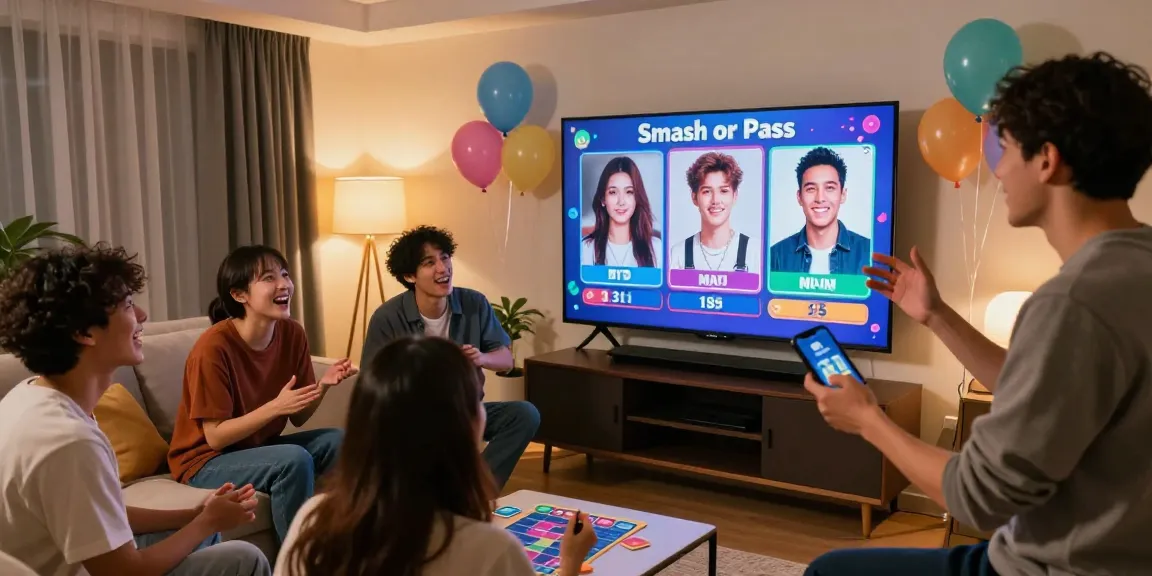
Understanding the Smash or Pass Concept
The smash or pass game has taken social interactions to a whole new level, blending humor, attraction, and a bit of controversy into a fun gathering activity. Whether you’re at a party or simply browsing online, the allure of making quick-fire decisions about who you would “smash” or “pass” captivates players and offers insights into societal standards of attractiveness. This article delves into the intricacies of this engaging phenomenon, its evolution over the years, and how AI-generated content can elevate your gaming experience.
What is Smash or Pass?
At its core, smash or pass is a game designed to assess the sexual desirability of individuals, typically relying on photographs or illustrations. Players make rapid-fire decisions on whether they find a person attractive enough to “smash” (indicate interest) or “pass” (indicate disinterest). This game has gained immense popularity across various platforms, including social media and party events, serving as a light-hearted way to discuss attraction and preferences.
The Evolution of the Game
Initially popularized through social media and reality TV, the smash or pass concept has evolved significantly. What began as a casual conversation starter has transformed into a viral trend among youth culture. Dating apps and game shows have adopted similar formats, making the game more structured and entertaining. Moreover, the integration of smartphone technology allows for a greater reach, allowing users to play virtually with friends or even strangers online.
How AI-Generated Content Enhances the Experience
With the rise of artificial intelligence, the smash or pass game has taken an innovative turn. Websites like smash or pass provide users with AI-generated images to rate, ensuring a constant supply of fresh and diverse content. This feature not only enhances the gameplay experience but also allows for a level of creativity and novelty that traditional images cannot match.
Setting Up Your Smash or Pass Event
Whether planning a casual get-together or a themed party, setting up a smash or pass event requires thoughtful preparation to ensure maximum fun. Here’s a guide to getting your event off the ground successfully.
Choosing the Right Venue
Selecting an appropriate venue is crucial for hosting a smash or pass event. Consider spaces that invite social interaction and have the necessary technology for showcasing images, such as a large screen or projector. Living rooms, basements, or even outdoor spaces can work wonders, provided they have enough seating and a pleasant atmosphere.
Essential Tools and Technology
- Device for Display: A laptop or tablet connected to a projector or smart TV is ideal.
- Image Display Software: Utilize platforms that host AI-generated content or your custom selection of images.
- Scoring System: Have a method in place for players to record their votes, whether it’s digital or pen and paper.
Gathering Your Friends: The Guest List
Choosing the right people to join in on the fun is essential. Invite friends who appreciate humor and can engage in the playful aspects of the game. Aim for a diverse group to keep the ratings varied, and don’t forget to inform them about the theme of the event so they can come prepared.
Gameplay Mechanics: How to Play Smash or Pass
Understanding the gameplay mechanics is vital for a successful smash or pass event. Here’s a breakdown of how to get started and keep things running smoothly.
Rules and Regulations
Establish a set of rules before jumping into the game. Common rules include taking turns presenting images, allotting a specific time frame for each round, and encouraging friendly banter. Players should be reminded that this game is meant for fun and not to take comments too personally.
Creative twists on the Traditional Game
To add more excitement, consider introducing unique twists to the traditional game format. For example, you could implement themed rounds—celebrities in costumes, fictional characters, or historical figures. This variation can spur laughter and encourages creativity in how players approach their ratings.
Incorporating AI Features for Fun
Using AI-generated images not only keeps the content fresh but can also lead to unexpected results. Players might be surprised by their reactions to certain images, providing endless entertaining discussions. Incorporating features such as randomized image selections or humorous filters can add an amusing layer to the gameplay.
Strategies for Engaging Gameplay
Maintaining engagement throughout the smash or pass game can sometimes be a challenge. Here are some strategies that can help keep the energy up during your event.
Building a Fun Atmosphere
Creating a lively atmosphere is critical. Use music, lighting, and comfortable seating arrangements to enhance the environment. Games typically thrive in relaxed settings, so ensure that guests feel comfortable to express their opinions freely.
Incorporating Challenges and Variations
Introduce mini-challenges or quizzes based on the images shown. For example, after each round, players could have to explain their choices, leading to humorous debates and discussions. Such interactions can foster camaraderie and increase overall enjoyment.
Keeping the Momentum Going
To maintain interest, consider timing the rounds and introducing fast-paced segments, like “speed rounds,” where players have only a few seconds to decide. This can accelerate the game, keeping everyone on their toes and generating excitement.
Future Trends in Gaming and AI Interaction
As technology continues to advance, the landscape of interactive games like smash or pass will evolve. Below are some potential trends to watch for in the coming years.
The Role of Artificial Intelligence in Social Games
Artificial intelligence is projected to play an even more significant role in social gaming experiences. Expect to see more sophisticated image generation and personalized options that can cater to players’ preferences, creating a unique playing experience tailored to each group.
Emerging Popularity of Smash or Pass in 2026
As social platforms continue to thrive, the smash or pass game is expected to gain even more traction. It may evolve beyond casual gatherings into competitive formats, with gaming apps that allow users to challenge their friends and earn ratings based on popularity.
Adapting to User Feedback and Trends
Developers will likely prioritize user feedback to enhance gameplay. Engaging communities to suggest features and improvements could shape future iterations of the smash or pass experience, ensuring that the game remains relevant and enjoyable.
What tools can make my Smash or Pass game more engaging?
The use of interactive tools such as mobile apps or websites that host AI-generated content can significantly enhance the experience. Consider platforms that allow for real-time voting and comments to keep everyone involved.
How do I choose the right celebrities for Smash or Pass?
Select a mix of contemporary and classic celebrities, ensuring a range of styles and appearances to cater to different tastes in your group. Engaging participants can also involve them in the selection process, making it more personal and enjoyable.
Can AI really improve the Smash or Pass experience?
Yes! AI can provide limitless content variations and help to create a more dynamic gaming environment. The likelihood of encountering previously seen images decreases, making each session feel fresh and surprise-laden.
What are the best settings for a Smash or Pass event?
An ideal setting for a smash or pass event includes a space where players can comfortably gather with a large enough screen to display images. Casual environments that encourage free dialogue and laughter, like living rooms or backyards, work beautifully.
How can I ensure everyone has fun playing Smash or Pass?
To ensure maximum enjoyment, tailor the activity to the preferences of your group. Encourage light-hearted interactions and emphasize that the game is all in fun. Acknowledge each player’s input and create an inclusive atmosphere where everyone feels comfortable sharing their opinions.