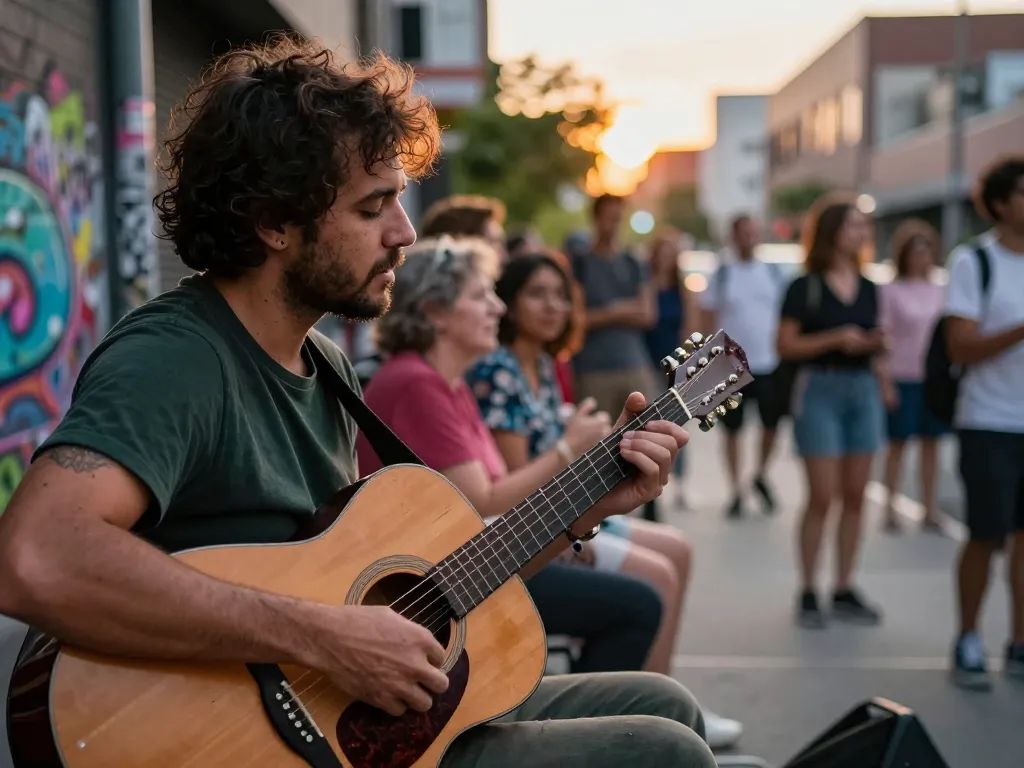
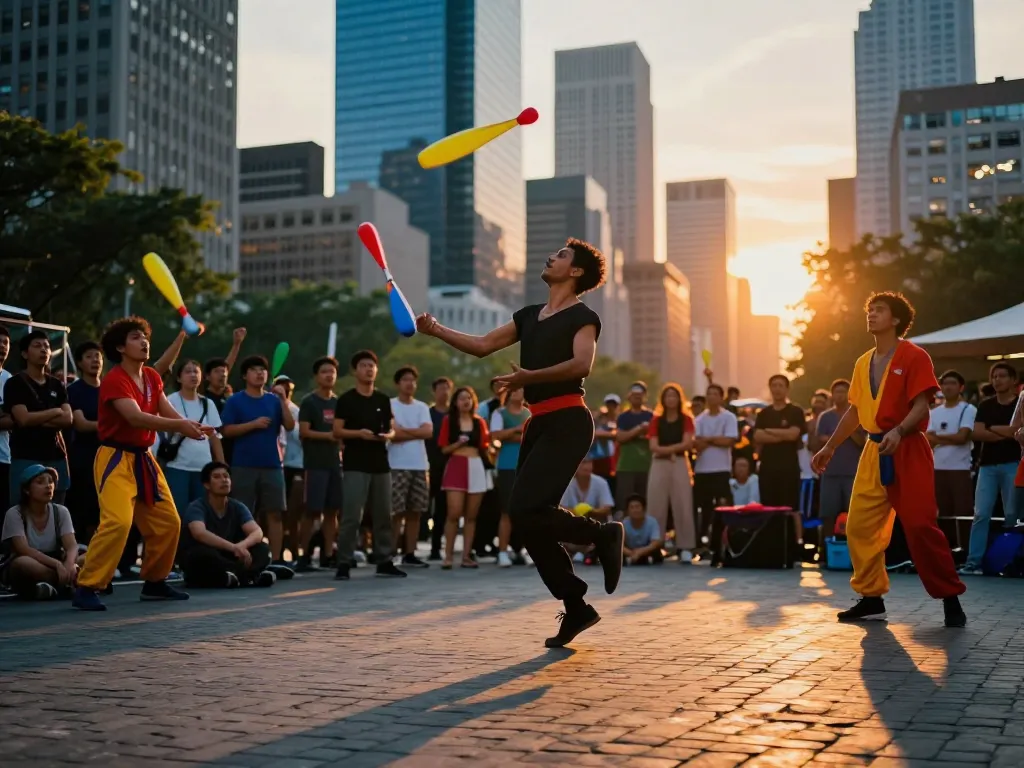
Creative developer designing NSFW AI characters in a vibrant digital art studio.

The 5 Pillars of Effective NSFW AI Strategy for Creative Developers

Understanding NSFW AI: The Basics

In recent years, the emergence of NSFW AI (Not Safe for Work Artificial Intelligence) has sparked significant interest across various digital platforms. These technologies leverage advanced algorithms to create, modify, or enhance explicit content while allowing users to engage in interactive and immersive experiences. The applications of NSFW AI extend beyond mere entertainment; they touch upon art, storytelling, and virtual companionship. However, navigating this innovative terrain also requires a keen understanding of its ethical implications and legal considerations.

What is NSFW AI?

NSFW AI refers to a category of artificial intelligence designed to generate or manipulate adult-themed content. This can include text-based interactions, image generation, and even video synthesis. The primary appeal of NSFW AI lies in its ability to produce highly customizable characters and scenarios, allowing users to engage in unique experiences tailored to personal preferences. Popular platforms often allow users to tweak character traits, backstories, and aesthetics, resulting in a highly personalized form of digital expression.

Applications of NSFW AI in Digital Art

Within the realm of digital art, NSFW AI plays a transformative role. Artists and creators harness its power to experiment with styles, generate lifelike images, and create animated characters for various media. By utilizing AI tools, artists can produce works that push the boundaries of traditional art forms, leading to innovative projects. For instance, an artist might create an AI-driven character that interacts with viewers in real time, adapting its responses based on audience engagement and feedback.

Legal and Ethical Considerations

As NSFW AI technology progresses, it’s essential to address the legal and ethical challenges that arise. There are critical issues surrounding consent, copyright, and the potential for misuse. Many jurisdictions require clear guidelines to protect users and creators alike. Ethical questions also arise regarding the representation of individuals in adult content and the psychological impact on both creators and consumers. Stakeholders must engage in ongoing dialogues to navigate these challenges responsibly.

Choosing the Right Tools for NSFW AI Development

When diving into the world of NSFW AI, selecting the appropriate tools is crucial for successful development. Various platforms offer unique functionalities catering to specific needs. For instance, nsfw ai tools provide an expansive suite for character interactions and image generation, enhancing the creative process. Understanding the tools available can significantly impact the quality and efficiency of your projects.

Essential Software for Character Design

Several software options stand out in the NSFW AI space for character design. Tools like Daz 3D and Blender enable artists to create detailed 3D models and animations. Meanwhile, AI-driven design platforms such as Artbreeder allow for collaborative art creation, merging different styles and traits seamlessly. These software solutions not only streamline the creative process but also expand the range of artistic possibilities.

Hardware Recommendations for Optimal Performance

To handle the computational demands of NSFW AI development, a robust hardware setup is essential. A high-end graphics processing unit (GPU) is particularly crucial for rendering detailed images and animations. Additionally, a multi-core processor and substantial RAM are necessary to manage the heavy workloads associated with AI training and real-time content generation. Ensuring that your hardware meets these specifications will enhance your creative capabilities exponentially.

Comparative Review of Popular NSFW AI Platforms

Choosing the right platform can significantly affect an artist’s or developer’s workflow. Popular NSFW AI platforms include:

  • JuicyChat.AI: Known for its no-filter AI character interactions, this platform allows users to engage in explicit conversations with fully customizable characters.
  • ZenCreator: An art generator optimized for mature content, with models trained for anatomical accuracy and detail.
  • Crushon AI: Offers immersive chats with custom AI companions, empowering users to create personalized experiences.

Each platform has unique strengths, and selecting the one that aligns with your specific goals is critical for success.

Creative Workflows in NSFW AI Development

Establishing a structured workflow is vital to streamline the creative process in NSFW AI development. This involves planning, creating, testing, and refining content to maximize quality and engagement.

Best Practices for Character Creation

Character creation in NSFW AI requires a blend of creativity and strategic thinking. Start by developing a comprehensive backstory and personality traits for your characters. This depth adds realism and relatability, enhancing user engagement. Additionally, leveraging user feedback during the development phase can help refine characters further, ensuring they resonate with your target audience.

Iterating Designs: Feedback and Revisions

Feedback is integral to the design process. Create prototypes of your characters and seek input from trusted peers or potential users. This iterative process allows for continuous improvement and optimization of character traits, visuals, and interactions. By remaining open to constructive criticism, you can elevate the quality of your creations.

Collaborative Approaches in NSFW AI Projects

Collaboration can take your NSFW AI projects to new heights. Partnering with other artists, writers, or developers can introduce fresh perspectives and skills, leading to more innovative outcomes. Establishing a collaborative platform or community can also facilitate knowledge sharing and resource pooling, ultimately benefiting all participants involved.

Marketing Your NSFW AI Creations

Once you have developed your NSFW AI creations, effective marketing is essential to reach your target audience and ensure your work gains visibility in a competitive landscape.

Building an Online Portfolio

A well-curated online portfolio is a crucial tool for showcasing your NSFW AI creations. Focus on presenting a diverse array of work that highlights your skills and creativity. Utilize platforms like Behance, ArtStation, or personal websites to display high-quality images, detailed descriptions, and even brief demonstrations of your characters in action.

Social Media Strategies to Engage Clients

Social media can be a powerful avenue for promoting your NSFW AI projects. Create engaging content across platforms like Twitter, Instagram, and Reddit, where potential clients and enthusiasts are likely to congregate. Interactive posts, behind-the-scenes content, and character teasers can help build excitement and attract followers. Engaging with the community through comments and shares can further enhance your visibility.

Effective Pricing Strategies for NSFW AI Services

Determining the right pricing strategy for your NSFW AI services can be challenging. Consider factors such as the complexity of the work, the target audience, and the time invested in each project. Offering tiered pricing options can cater to different clientele and encourage engagement without alienating potential customers. Regularly reassessing your pricing strategy based on feedback and market trends is also advisable.

The Future of NSFW AI: Trends and Innovations

As we look ahead, NSFW AI is set to undergo significant evolution, influenced by technological advancements and societal changes. Understanding emerging trends can help creators position themselves effectively in this dynamic landscape.

Emerging Technologies in AI Art Generation

New technologies, such as generative adversarial networks (GANs) and deep learning models, are continually evolving and impacting the NSFW AI landscape. These advancements enable the generation of more realistic and complex images and interactions, providing users with richer experiences. Keeping abreast of these technologies allows artists and developers to leverage them in their creative processes.

Community Engagement and Collaboration

Community will play a pivotal role in shaping the future of NSFW AI. Collaborative projects, open-source contributions, and shared resources can accelerate innovation and create a more inclusive development environment. Engaging actively with communities on platforms like Discord or specialized forums can foster relationships and facilitate new ideas.

Predicting the Evolution of NSFW AI in 2026

Predictive insights suggest that by 2026, NSFW AI will likely become more integrated into mainstream digital experiences, creating a demand for higher quality and diverse content. Greater emphasis on ethical standards and user safety will also shape the industry, with platforms and creators expected to adopt more responsible practices. This environment will open new avenues for creators who embrace innovation while adhering to ethical considerations.

What are the best practices for NSFW AI development?

Best practices in NSFW AI development revolve around creativity, feedback, and ethical considerations. Focus on creating detailed characters, iterating designs through feedback, and fostering collaborations for enhanced innovation.

How can I effectively market my NSFW AI creations?

Effective marketing strategies include building a strong online portfolio, utilizing social media to engage clients, and implementing thoughtful pricing models to attract your target audience.

What ethical considerations should I keep in mind?

Ethical considerations encompass consent, copyright, and the portrayal of individuals. Staying informed about legal frameworks and industry guidelines is essential for responsible content creation.

Which platforms are optimized for NSFW AI content?

Platforms like JuicyChat.AI and Crushon AI are optimized for NSFW AI content, offering robust features for character interaction and image generation.

How will the NSFW AI landscape change in the near future?

The NSFW AI landscape is set to evolve with technological advancements, increased community engagement, and a collective push towards ethical practices, creating vast opportunities for innovative creators.
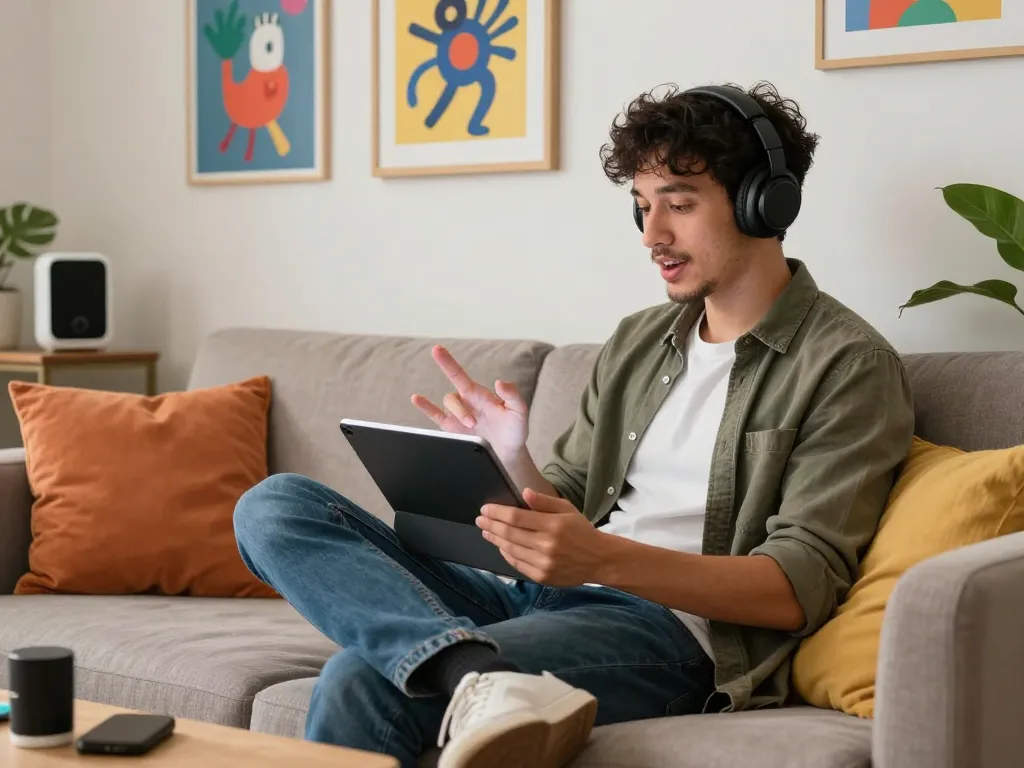
Engaging NSFW AI chat interface on tablet in cozy urban lounge setting.

Innovative Insights on NSFW AI Interactions for 2026

Understanding NSFW AI: The New Frontier

The rise of artificial intelligence has ushered in a new era of interaction, particularly in niche sectors like NSFW (Not Safe For Work) AI. The term NSFW AI encompasses various applications that allow users to engage with artificial intelligence in adult-themed scenarios. As technology continues to evolve, platforms such as nsfw ai are pushing the boundaries of what is possible, enhancing the user experience while maintaining an engaging interaction. This article delves into the intricacies of NSFW AI, exploring its development, applications, and future trends.

What is NSFW AI?

NSFW AI refers to artificial intelligence technologies designed to generate, analyze, or interact with content that may be considered adult or explicit in nature. This encompasses chatbots that simulate romantic or adult conversations, image generators that create erotic imagery, and content generators that produce adult-themed stories or scenarios. The key aspect of NSFW AI is its ability to offer users a more immersive and personal experience, often tailored to their preferences.

Key Features of NSFW AI Technologies

  • Customizability: Users can often customize their interactions, creating unique characters or scenarios that resonate with personal desires.
  • Realism: Advances in natural language processing and image synthesis have improved the realism of interactions and generated content.
  • Privacy Features: Many platforms prioritize user anonymity and data protection, providing safe spaces for exploration.

How NSFW AI Differs From Traditional AI

While traditional AI applications focus on data processing and functional tasks, NSFW AI is inherently designed for entertainment and engagement. Traditional AI might assist in customer service queries or logistical planning, whereas NSFW AI seeks to create emotionally charged interactions. This creates a unique landscape where user experience is paramount, often involving deep personalized engagement.

User Experience and Engagement Strategies

Creating an engaging user experience is vital for the success of NSFW AI platforms. Tailoring interactions that feel authentic can significantly enhance user satisfaction and retention.

Creating Authentic Interactions with NSFW AI

To foster genuine connections, NSFW AI must leverage advanced algorithms that understand context, emotion, and user preferences. By analyzing previous interactions, AI can learn and adapt, mimicking the nuances of human conversation. This capability not only makes the interactions more enjoyable but also increases user confidence in the AI’s ability to understand their desires.

Enhancing User Engagement: Best Practices

  • Feedback Mechanisms: Implementing systems for user feedback allows AI to evolve and improve constantly.
  • Regular Updates: Updating AI models with new data and trends keeps the interactions fresh and relevant.
  • Interactive Features: Incorporating games or challenges can make interactions more engaging and fun.

Addressing Safety and Privacy Concerns

In the realm of NSFW AI, user safety and privacy are paramount. Platforms must ensure that user data is encrypted, anonymized, and never shared without consent. Providing clear guidelines about content creation and user interactions helps establish trust, particularly in an environment where anonymity is a critical factor.

Applications of NSFW AI in 2026

The applications of NSFW AI continue to expand as technology progresses. In 2026, we can anticipate even broader usage across various sectors and greater integration into users’ daily lives.

Trends in NSFW AI Usage

As societal norms evolve, the acceptance of NSFW AI technologies has increased. Trends indicate a growing market for personalized erotic storytelling and interactive adult games powered by AI. The demand for more nuanced and realistic relationships in digital spaces is driving innovation, making NSFW AI not just a novelty but a legitimate avenue for adult entertainment.

Industry Adoption: How Different Sectors are Utilizing NSFW AI

Many industries are beginning to embrace NSFW AI, from adult entertainment to mental wellness. For instance, therapeutic applications of NSFW AI aim to provide companionship and support for individuals seeking to explore their sexuality in a safe environment. This indicates a shift where NSFW AI is not only about leisure but also about personal growth and mental health.

Case Studies of Successful NSFW AI Implementations

Several platforms have successfully integrated NSFW AI, demonstrating its potential. One notable example is an interactive chatbot that provides a space for users to explore their fantasies in a non-judgmental environment. By utilizing natural language understanding, the chatbot creates conversations that feel personal and engaging, significantly enhancing user retention.

Challenges and Considerations in NSFW AI Development

While NSFW AI holds immense potential, it also faces unique challenges that developers must navigate to ensure a safe and effective user experience.

Common Misconceptions About NSFW AI

One common misconception is that NSFW AI only serves a niche market. In reality, the demand for adult-themed content is widespread, cutting across various demographics. Understanding this broad appeal is crucial for developers looking to reach a larger audience while creating inclusive and respectful interactions.

Navigating Ethical Implications

Ethics play a critical role in NSFW AI development. Developers must consider the impact of their technologies on societal norms and individual users. This includes addressing issues related to consent, representation, and the potential for addiction. Establishing clear ethical guidelines and actively engaging with user feedback can help mitigate these concerns.

Technical Challenges: Limitations and Risks

Despite advancements, NSFW AI technologies still face technical limitations. For example, generating realistic images and dialogues that accurately reflect user preferences can be challenging due to the complexity of human emotions and interactions. Developers must continually refine algorithms and utilize robust datasets to overcome these challenges.

The Future of NSFW AI Technology

As we look ahead, the future of NSFW AI technology promises innovation and transformation, driven by emerging trends and user expectations.

Emerging Trends to Watch in 2026

In 2026, we can expect to see significant advancements in AI’s ability to understand and predict user preferences, leading to hyper-personalized experiences. There will also be a focus on integrating VR and AR technologies, enriching the interactions by creating fully immersive environments.

Predictions for NSFW AI Evolution

Many believe that NSFW AI will evolve to become more inclusive and diverse, allowing for a broader range of representations of sexual identity and preferences. This evolution will include advances in language models that can understand the subtleties of consent and emotional tone within conversations.

Preparing for a Safe and Engaging Future

To ensure that NSFW AI remains a safe space for exploration, continuous dialogue between developers and users is essential. Implementing comprehensive safety protocols, regular updates, and user education will be critical in fostering an environment that encourages healthy exploration while mitigating risks.

What are the best practices for using NSFW AI?

Best practices include maintaining transparency about data usage, ensuring consent in user interactions, and promoting a culture of respect and inclusivity within platforms.

How does NSFW AI maintain user privacy?

NSFW AI platforms typically implement strong encryption protocols, anonymization techniques, and robust privacy policies to safeguard user information.

What industries are leveraging NSFW AI?

Industries such as adult entertainment, dating services, mental health applications, and education are increasingly adopting NSFW AI technologies to enhance user experience and engagement.

Are there legal considerations for NSFW AI?

Legal considerations revolve around the compliance with age verification laws, data protection regulations, and content legality in various jurisdictions.

How will NSFW AI evolve in the coming years?

As technology advances, NSFW AI is expected to become more sophisticated, incorporating greater context awareness, personalization, and ethical frameworks, leading to enhanced user interactions.

Captivating Trends in Arts & Entertainment You Should Know

Understanding the Arts: Historical Context and Evolution

The realm of arts and entertainment is a reflection of human creativity, cultural identity, and societal evolution. The artistic expression has been an integral part of human civilization, serving not only as a medium of personal expression but also as a catalyst for change and reflection within communities. This section delves into the historical context and evolution of the arts, exploring its origins, impactful movements, and the progression of entertainment through the ages.

The Origins of Artistic Expression in Human Culture

Artistic expression dates back to the earliest human societies, manifesting in various forms such as cave paintings, carvings, and primitive music. Archaeological findings, such as the Lascaux cave paintings in France, suggest that early humans used art as a means of communication, storytelling, and ritualistic practices. These expressive forms were not merely decorative; they held significant cultural meanings and were essential for the survival of early communities.

As civilizations developed, art became more sophisticated. In ancient Egypt, art was tied to religion and the afterlife, with intricate hieroglyphs and monumental architecture designed to honor gods and pharaohs. Similarly, the Greeks and Romans contributed significantly to artistic expression through sculpture and theatre, laying the groundwork for Western art traditions.

  • Cave Paintings: The earliest form of artistic expression, depicting animals and hunting scenes.
  • Ancient Egyptian Art: Focused on religious themes and the afterlife, with a strong emphasis on symmetry and order.
  • Greek Theatre: Introduced dramatic arts and storytelling, influencing modern theatre forms.

Key Art Movements and Their Impact on Society

Throughout history, various art movements have emerged, each leaving a profound impact on society. The Renaissance, for instance, marked a revival of classical learning and wisdom. Artists like Leonardo da Vinci and Michelangelo pushed the boundaries of creativity, integrating science and humanism into their artworks.

The Baroque period followed, characterized by dramatic expression and grandeur, reflecting the complexities of the time, including religious conflicts and absolute monarchies. Artists like Caravaggio and Rembrandt used light and shadow to evoke emotion and realism, influencing future artistic techniques.

In the 19th century, movements such as Impressionism and Post-Impressionism challenged traditional artistic norms. Artists like Claude Monet and Vincent van Gogh brought forth a new perception of color and light, giving rise to modern art. These movements not only altered the aesthetic landscape but also influenced social attitudes towards art and culture.

  • Renaissance (14th-17th Century): A revival of classical learning and humanistic values.
  • Baroque (17th Century): Known for emotional intensity and dramatic use of light.
  • Impressionism (19th Century): Focused on capturing light and its changing qualities.

The Evolution of Entertainment Through the Ages

Entertainment has evolved dramatically from the ancient times of storytelling and live performances to today’s digital age. In ancient Rome, gladiatorial games and theatrical performances were popular forms of entertainment, reflecting societal values and norms. The invention of the printing press in the 15th century revolutionized the distribution of literature, making books more accessible and fostering a culture of reading.

The 20th century brought about significant changes with the advent of radio, television, and cinema. The film industry transformed storytelling, allowing for the mass consumption of narratives on an unprecedented scale. Today, entertainment continues to evolve with the rise of the internet, social media, and streaming services, changing how people consume and engage with content.

  • Gladiatorial Games: A form of entertainment that reflected social values and the power dynamics of ancient Rome.
  • Printing Press: Allowed for mass distribution of literature, fostering reading culture.
  • Streaming Services: Have created a new era of content consumption, making entertainment more accessible.

Exploring Different Mediums in the Arts

The arts encompass a myriad of mediums, each offering unique avenues for creative expression. From visual arts that capture the eye to performing arts that engage the body and spirit, each medium has its own techniques and styles that resonate with audiences. This section explores the various mediums within the arts, detailing their characteristics and significance.

Visual Arts: Techniques and Styles

Visual arts include a wide range of artistic expressions, such as painting, sculpture, photography, and digital art. Each technique and style contributes to the narrative and emotional impact of the artwork. Traditional painting techniques, for instance, vary from oil and watercolor to acrylics, each offering distinct textures and finishes.

The emergence of styles like Cubism, Surrealism, and Abstract Expressionism has expanded the language of visual arts. Artists such as Pablo Picasso and Salvador Dalí challenged perceptions of reality, inviting viewers to engage with art on a deeper philosophical level.

  • Oil Painting: Known for its rich color and texture, allowing for detailed and layered works.
  • Watercolor: Offers a translucent quality, emphasizing light and fluidity.
  • Digital Art: Utilizes technology to create visually stunning works, from digital paintings to 3D models.

Performing Arts: Theatre, Dance, and Music

The performing arts combine various forms of expression, including theatre, dance, and music, to convey stories and emotions. Theatre has a rich history that dates back to ancient Greece, where plays were performed in open-air amphitheaters. Today, theatre encompasses a range of styles, from classic Shakespearean plays to contemporary experimental performances.

Dance, as a performing art, transcends cultural boundaries, with styles ranging from ballet to hip-hop, each telling its own story through movement. Music, with its diverse genres and forms, serves as a universal language, capable of evoking profound emotions and connecting people across cultures.

  • Theatre: A blend of script, performance, and stagecraft, creating immersive storytelling experiences.
  • Dance: Expresses themes and narratives through physical movement, with cultural variations worldwide.
  • Music: Encompasses various genres, each with unique characteristics and cultural significance.

Literary Arts: Genres and Forms

Literary arts encompass a vast array of genres and forms, from poetry and novels to essays and plays. Each genre offers unique narrative structures and themes, providing writers with tools to express complex ideas and emotions. For instance, poetry often employs rhythm and metaphor to convey deep feelings, while novels can explore intricate plots and character development.

The evolution of literary arts is evident in the rise of different genres over time. The Romantic movement emphasized emotion and individualism, while Modernism questioned traditional narratives and embraced fragmented storytelling. Today, contemporary literature continues to evolve, reflecting current societal issues and diverse voices.

  • Poetry: Uses structured verse and imagery to evoke emotions and insights.
  • Novels: Offer expansive narratives, exploring character and plot in depth.
  • Essays: Provide critical and personal reflections, often addressing social and political issues.

The Role of Technology in Modern Arts and Entertainment

In the contemporary landscape, technology plays a pivotal role in shaping the arts and entertainment sectors. From digital tools that enhance creative processes to platforms that distribute content globally, technology has transformed how artists create, share, and engage with audiences. This section examines the influence of technology on modern arts and entertainment.

Digital Art: Tools and Techniques for Creatives

Digital art has revolutionized the creative process, providing artists with innovative tools and techniques. Software such as Adobe Photoshop and Illustrator allows for intricate designs and illustrations, while platforms like Procreate have made digital painting accessible to artists worldwide. The rise of graphic tablets and styluses has further enhanced the precision and fluidity of digital artwork.

Moreover, digital art encourages experimentation and collaboration. Artists can share their work online, receive feedback, and collaborate with others, fostering a global creative community. The accessibility of digital tools has democratized art-making, enabling more individuals to explore their creativity.

  • Adobe Photoshop: A leading software for digital image editing and manipulation.
  • Procreate: A popular app for digital painting, favored by illustrators and artists.
  • Graphic Tablets: Enhance digital drawing and painting, offering a natural drawing experience.

The Rise of Streaming Services and Their Influence on Entertainment

The emergence of streaming services has dramatically altered the entertainment landscape. Platforms like Netflix, Hulu, and Disney+ provide audiences with on-demand access to a vast library of films, television shows, and original content. This shift has transformed how viewers consume media, prioritizing convenience and personalization.

Moreover, streaming services have disrupted traditional distribution methods, allowing independent filmmakers and creators to reach global audiences without the constraints of traditional gatekeepers. This democratization of content creation has led to a diversification of voices and narratives in the entertainment industry.

  • Netflix: Pioneered binge-watching culture with its original programming and extensive library.
  • Hulu: Offers a blend of current TV shows and original content, catering to varied audience preferences.
  • Independent Filmmaking: Streaming platforms have enabled independent creators to showcase their work to a broader audience.

Virtual Reality and Augmented Reality in Artistic Experiences

Virtual reality (VR) and augmented reality (AR) are emerging technologies that are reshaping the arts and entertainment sectors. VR creates immersive environments that transport users to different worlds, allowing for interactive artistic experiences. For instance, art installations utilizing VR allow viewers to engage with art in ways that were previously unimaginable, fostering a deeper connection to the work.

AR, on the other hand, overlays digital content onto the real world, enhancing the viewer’s experience. Art galleries and museums are increasingly incorporating AR to provide additional context and information about exhibits, enriching the visitor experience. These technologies not only enhance engagement but also expand the possibilities of artistic expression.

  • Virtual Reality: Creates immersive experiences that allow users to explore art in a three-dimensional space.
  • Augmented Reality: Enhances real-world experiences by adding digital layers of information and interaction.
  • Art Installations: Utilize VR and AR to engage audiences in unique and interactive ways.

Marketing and Promoting Arts and Entertainment

In a competitive landscape, effective marketing and promotion are crucial for artists and entertainers to reach their target audiences. This section explores strategies for building an online presence, networking within the arts industry, and utilizing SEO and content marketing to promote artistic endeavors.

Building an Online Presence: Social Media Strategies for Artists

Establishing a robust online presence is essential for artists and entertainers in today’s digital age. Social media platforms such as Instagram, Twitter, and TikTok provide artists with the opportunity to showcase their work, engage with followers, and build a community. Here are some effective strategies:

  • Consistent Branding: Develop a cohesive visual identity and voice across all platforms.
  • Engagement: Interact with followers by responding to comments, hosting Q&A sessions, and sharing behind-the-scenes content.
  • Content Variety: Use a mix of images, videos, and stories to keep your audience engaged and showcase different aspects of your work.

Collaborations and Networking in the Arts Industry

Collaboration and networking are vital for growth in the arts industry. By working with other artists and professionals, individuals can expand their reach and access new audiences. Here are some practical tips for effective networking:

  • Attend Events: Participate in art exhibitions, workshops, and conferences to meet like-minded individuals.
  • Join Online Communities: Engage with online platforms and forums dedicated to your artistic field.
  • Collaborate: Seek opportunities to collaborate on projects, which can lead to cross-promotion and shared audiences.

Utilizing SEO and Content Marketing for Arts Promotion

Search engine optimization (SEO) and content marketing are powerful tools for promoting arts and entertainment. By creating valuable content and optimizing it for search engines, artists can increase their visibility online. Here are some best practices:

  • Keyword Research: Identify relevant keywords related to your art or entertainment niche and incorporate them naturally into your content.
  • Quality Content: Create informative blog posts, videos, or podcasts that provide value to your audience.
  • Social Sharing: Encourage sharing of your content on social media to increase reach and engagement.

Future Trends in Arts and Entertainment

The arts and entertainment landscape is continuously evolving, influenced by societal changes, technological advancements, and cultural shifts. This section explores emerging trends that are shaping the future of arts and entertainment.

The Growing Importance of Inclusivity and Diversity

Inclusivity and diversity have become paramount in the arts and entertainment sectors. Audiences are increasingly seeking representation in the storytelling and artistic expressions they consume. This shift has prompted creators to embrace diverse voices and perspectives, resulting in a richer cultural tapestry.

Initiatives promoting diversity in casting, storytelling, and artistic representation are gaining momentum. For example, the success of films like “Black Panther” and “Crazy Rich Asians” showcases the demand for authentic representation in mainstream media. As the industry continues to evolve, embracing inclusivity will remain a critical focus.

  • Representation Matters: Diverse narratives resonate with audiences, contributing to broader cultural conversations.
  • Accessibility: Ensuring that art and entertainment are accessible to all, regardless of background or ability.
  • Support for Underrepresented Artists: Initiatives that fund and promote diverse artists are becoming increasingly important.

Environmental Sustainability in Arts and Production

The growing awareness of environmental issues has prompted the arts and entertainment sectors to adopt sustainable practices. From eco-friendly production methods to promoting environmental themes in art, sustainability is becoming a priority. Artists are using their platforms to raise awareness about climate change and inspire action.

For instance, film productions are increasingly utilizing green technologies, such as energy-efficient lighting and sustainable materials, to minimize their environmental impact. Additionally, art installations that incorporate recycled materials or address environmental themes are gaining popularity, encouraging audiences to consider their ecological footprint.

  • Eco-Friendly Production: Utilizing sustainable materials and practices in the creation of art and entertainment.
  • Environmental Themes: Addressing climate change and sustainability through artistic expression.
  • Community Engagement: Encouraging audiences to participate in sustainability initiatives through art.

Emerging Technologies and Their Potential Impact on the Arts

As technology continues to evolve, its impact on the arts will only grow. Emerging technologies such as artificial intelligence, blockchain, and advanced analytics are poised to reshape how art is created, distributed, and experienced. For example, AI-generated art is challenging traditional notions of creativity and authorship, prompting discussions about the role of the artist in the digital age.

Blockchain technology is also making waves in the art world, providing a transparent and secure method for artists to sell their work and for collectors to authenticate it. This technology has the potential to revolutionize the art market, ensuring fair compensation for artists while enhancing trust between creators and buyers.

  • Artificial Intelligence: Exploring the creative potential of AI in art and music.
  • Blockchain: Revolutionizing authentication and ownership in the art market.
  • Data Analytics: Utilizing data to understand audience preferences and trends in the arts.
Arts & Entertainment

Captivating Trends in Arts & Entertainment You Should Know

Understanding the Arts: Historical Context and Evolution

The realm of arts and entertainment is a reflection of human creativity, cultural identity, and societal evolution. The artistic expression has been an integral part of human civilization, serving not only as a medium of personal expression but also as a catalyst for change and reflection within communities. This section delves into the historical context and evolution of the arts, exploring its origins, impactful movements, and the progression of entertainment through the ages.

The Origins of Artistic Expression in Human Culture

Artistic expression dates back to the earliest human societies, manifesting in various forms such as cave paintings, carvings, and primitive music. Archaeological findings, such as the Lascaux cave paintings in France, suggest that early humans used art as a means of communication, storytelling, and ritualistic practices. These expressive forms were not merely decorative; they held significant cultural meanings and were essential for the survival of early communities.

As civilizations developed, art became more sophisticated. In ancient Egypt, art was tied to religion and the afterlife, with intricate hieroglyphs and monumental architecture designed to honor gods and pharaohs. Similarly, the Greeks and Romans contributed significantly to artistic expression through sculpture and theatre, laying the groundwork for Western art traditions.

  • Cave Paintings: The earliest form of artistic expression, depicting animals and hunting scenes.
  • Ancient Egyptian Art: Focused on religious themes and the afterlife, with a strong emphasis on symmetry and order.
  • Greek Theatre: Introduced dramatic arts and storytelling, influencing modern theatre forms.

Key Art Movements and Their Impact on Society

Throughout history, various art movements have emerged, each leaving a profound impact on society. The Renaissance, for instance, marked a revival of classical learning and wisdom. Artists like Leonardo da Vinci and Michelangelo pushed the boundaries of creativity, integrating science and humanism into their artworks.

The Baroque period followed, characterized by dramatic expression and grandeur, reflecting the complexities of the time, including religious conflicts and absolute monarchies. Artists like Caravaggio and Rembrandt used light and shadow to evoke emotion and realism, influencing future artistic techniques.

In the 19th century, movements such as Impressionism and Post-Impressionism challenged traditional artistic norms. Artists like Claude Monet and Vincent van Gogh brought forth a new perception of color and light, giving rise to modern art. These movements not only altered the aesthetic landscape but also influenced social attitudes towards art and culture.

  • Renaissance (14th-17th Century): A revival of classical learning and humanistic values.
  • Baroque (17th Century): Known for emotional intensity and dramatic use of light.
  • Impressionism (19th Century): Focused on capturing light and its changing qualities.

The Evolution of Entertainment Through the Ages

Entertainment has evolved dramatically from the ancient times of storytelling and live performances to today’s digital age. In ancient Rome, gladiatorial games and theatrical performances were popular forms of entertainment, reflecting societal values and norms. The invention of the printing press in the 15th century revolutionized the distribution of literature, making books more accessible and fostering a culture of reading.

The 20th century brought about significant changes with the advent of radio, television, and cinema. The film industry transformed storytelling, allowing for the mass consumption of narratives on an unprecedented scale. Today, entertainment continues to evolve with the rise of the internet, social media, and streaming services, changing how people consume and engage with content.

  • Gladiatorial Games: A form of entertainment that reflected social values and the power dynamics of ancient Rome.
  • Printing Press: Allowed for mass distribution of literature, fostering reading culture.
  • Streaming Services: Have created a new era of content consumption, making entertainment more accessible.

Exploring Different Mediums in the Arts

The arts encompass a myriad of mediums, each offering unique avenues for creative expression. From visual arts that capture the eye to performing arts that engage the body and spirit, each medium has its own techniques and styles that resonate with audiences. This section explores the various mediums within the arts, detailing their characteristics and significance.

Visual Arts: Techniques and Styles

Visual arts include a wide range of artistic expressions, such as painting, sculpture, photography, and digital art. Each technique and style contributes to the narrative and emotional impact of the artwork. Traditional painting techniques, for instance, vary from oil and watercolor to acrylics, each offering distinct textures and finishes.

The emergence of styles like Cubism, Surrealism, and Abstract Expressionism has expanded the language of visual arts. Artists such as Pablo Picasso and Salvador Dalí challenged perceptions of reality, inviting viewers to engage with art on a deeper philosophical level.

  • Oil Painting: Known for its rich color and texture, allowing for detailed and layered works.
  • Watercolor: Offers a translucent quality, emphasizing light and fluidity.
  • Digital Art: Utilizes technology to create visually stunning works, from digital paintings to 3D models.

Performing Arts: Theatre, Dance, and Music

The performing arts combine various forms of expression, including theatre, dance, and music, to convey stories and emotions. Theatre has a rich history that dates back to ancient Greece, where plays were performed in open-air amphitheaters. Today, theatre encompasses a range of styles, from classic Shakespearean plays to contemporary experimental performances.

Dance, as a performing art, transcends cultural boundaries, with styles ranging from ballet to hip-hop, each telling its own story through movement. Music, with its diverse genres and forms, serves as a universal language, capable of evoking profound emotions and connecting people across cultures.

  • Theatre: A blend of script, performance, and stagecraft, creating immersive storytelling experiences.
  • Dance: Expresses themes and narratives through physical movement, with cultural variations worldwide.
  • Music: Encompasses various genres, each with unique characteristics and cultural significance.

Literary Arts: Genres and Forms

Literary arts encompass a vast array of genres and forms, from poetry and novels to essays and plays. Each genre offers unique narrative structures and themes, providing writers with tools to express complex ideas and emotions. For instance, poetry often employs rhythm and metaphor to convey deep feelings, while novels can explore intricate plots and character development.

The evolution of literary arts is evident in the rise of different genres over time. The Romantic movement emphasized emotion and individualism, while Modernism questioned traditional narratives and embraced fragmented storytelling. Today, contemporary literature continues to evolve, reflecting current societal issues and diverse voices.

  • Poetry: Uses structured verse and imagery to evoke emotions and insights.
  • Novels: Offer expansive narratives, exploring character and plot in depth.
  • Essays: Provide critical and personal reflections, often addressing social and political issues.

The Role of Technology in Modern Arts and Entertainment

In the contemporary landscape, technology plays a pivotal role in shaping the arts and entertainment sectors. From digital tools that enhance creative processes to platforms that distribute content globally, technology has transformed how artists create, share, and engage with audiences. This section examines the influence of technology on modern arts and entertainment.

Digital Art: Tools and Techniques for Creatives

Digital art has revolutionized the creative process, providing artists with innovative tools and techniques. Software such as Adobe Photoshop and Illustrator allows for intricate designs and illustrations, while platforms like Procreate have made digital painting accessible to artists worldwide. The rise of graphic tablets and styluses has further enhanced the precision and fluidity of digital artwork.

Moreover, digital art encourages experimentation and collaboration. Artists can share their work online, receive feedback, and collaborate with others, fostering a global creative community. The accessibility of digital tools has democratized art-making, enabling more individuals to explore their creativity.

  • Adobe Photoshop: A leading software for digital image editing and manipulation.
  • Procreate: A popular app for digital painting, favored by illustrators and artists.
  • Graphic Tablets: Enhance digital drawing and painting, offering a natural drawing experience.

The Rise of Streaming Services and Their Influence on Entertainment

The emergence of streaming services has dramatically altered the entertainment landscape. Platforms like Netflix, Hulu, and Disney+ provide audiences with on-demand access to a vast library of films, television shows, and original content. This shift has transformed how viewers consume media, prioritizing convenience and personalization.

Moreover, streaming services have disrupted traditional distribution methods, allowing independent filmmakers and creators to reach global audiences without the constraints of traditional gatekeepers. This democratization of content creation has led to a diversification of voices and narratives in the entertainment industry.

  • Netflix: Pioneered binge-watching culture with its original programming and extensive library.
  • Hulu: Offers a blend of current TV shows and original content, catering to varied audience preferences.
  • Independent Filmmaking: Streaming platforms have enabled independent creators to showcase their work to a broader audience.

Virtual Reality and Augmented Reality in Artistic Experiences

Virtual reality (VR) and augmented reality (AR) are emerging technologies that are reshaping the arts and entertainment sectors. VR creates immersive environments that transport users to different worlds, allowing for interactive artistic experiences. For instance, art installations utilizing VR allow viewers to engage with art in ways that were previously unimaginable, fostering a deeper connection to the work.

AR, on the other hand, overlays digital content onto the real world, enhancing the viewer’s experience. Art galleries and museums are increasingly incorporating AR to provide additional context and information about exhibits, enriching the visitor experience. These technologies not only enhance engagement but also expand the possibilities of artistic expression.

  • Virtual Reality: Creates immersive experiences that allow users to explore art in a three-dimensional space.
  • Augmented Reality: Enhances real-world experiences by adding digital layers of information and interaction.
  • Art Installations: Utilize VR and AR to engage audiences in unique and interactive ways.

Marketing and Promoting Arts and Entertainment

In a competitive landscape, effective marketing and promotion are crucial for artists and entertainers to reach their target audiences. This section explores strategies for building an online presence, networking within the arts industry, and utilizing SEO and content marketing to promote artistic endeavors.

Building an Online Presence: Social Media Strategies for Artists

Establishing a robust online presence is essential for artists and entertainers in today’s digital age. Social media platforms such as Instagram, Twitter, and TikTok provide artists with the opportunity to showcase their work, engage with followers, and build a community. Here are some effective strategies:

  • Consistent Branding: Develop a cohesive visual identity and voice across all platforms.
  • Engagement: Interact with followers by responding to comments, hosting Q&A sessions, and sharing behind-the-scenes content.
  • Content Variety: Use a mix of images, videos, and stories to keep your audience engaged and showcase different aspects of your work.

Collaborations and Networking in the Arts Industry

Collaboration and networking are vital for growth in the arts industry. By working with other artists and professionals, individuals can expand their reach and access new audiences. Here are some practical tips for effective networking:

  • Attend Events: Participate in art exhibitions, workshops, and conferences to meet like-minded individuals.
  • Join Online Communities: Engage with online platforms and forums dedicated to your artistic field.
  • Collaborate: Seek opportunities to collaborate on projects, which can lead to cross-promotion and shared audiences.

Utilizing SEO and Content Marketing for Arts Promotion

Search engine optimization (SEO) and content marketing are powerful tools for promoting arts and entertainment. By creating valuable content and optimizing it for search engines, artists can increase their visibility online. Here are some best practices:

  • Keyword Research: Identify relevant keywords related to your art or entertainment niche and incorporate them naturally into your content.
  • Quality Content: Create informative blog posts, videos, or podcasts that provide value to your audience.
  • Social Sharing: Encourage sharing of your content on social media to increase reach and engagement.

Future Trends in Arts and Entertainment

The arts and entertainment landscape is continuously evolving, influenced by societal changes, technological advancements, and cultural shifts. This section explores emerging trends that are shaping the future of arts and entertainment.

The Growing Importance of Inclusivity and Diversity

Inclusivity and diversity have become paramount in the arts and entertainment sectors. Audiences are increasingly seeking representation in the storytelling and artistic expressions they consume. This shift has prompted creators to embrace diverse voices and perspectives, resulting in a richer cultural tapestry.

Initiatives promoting diversity in casting, storytelling, and artistic representation are gaining momentum. For example, the success of films like “Black Panther” and “Crazy Rich Asians” showcases the demand for authentic representation in mainstream media. As the industry continues to evolve, embracing inclusivity will remain a critical focus.

  • Representation Matters: Diverse narratives resonate with audiences, contributing to broader cultural conversations.
  • Accessibility: Ensuring that art and entertainment are accessible to all, regardless of background or ability.
  • Support for Underrepresented Artists: Initiatives that fund and promote diverse artists are becoming increasingly important.

Environmental Sustainability in Arts and Production

The growing awareness of environmental issues has prompted the arts and entertainment sectors to adopt sustainable practices. From eco-friendly production methods to promoting environmental themes in art, sustainability is becoming a priority. Artists are using their platforms to raise awareness about climate change and inspire action.

For instance, film productions are increasingly utilizing green technologies, such as energy-efficient lighting and sustainable materials, to minimize their environmental impact. Additionally, art installations that incorporate recycled materials or address environmental themes are gaining popularity, encouraging audiences to consider their ecological footprint.

  • Eco-Friendly Production: Utilizing sustainable materials and practices in the creation of art and entertainment.
  • Environmental Themes: Addressing climate change and sustainability through artistic expression.
  • Community Engagement: Encouraging audiences to participate in sustainability initiatives through art.

Emerging Technologies and Their Potential Impact on the Arts

As technology continues to evolve, its impact on the arts will only grow. Emerging technologies such as artificial intelligence, blockchain, and advanced analytics are poised to reshape how art is created, distributed, and experienced. For example, AI-generated art is challenging traditional notions of creativity and authorship, prompting discussions about the role of the artist in the digital age.

Blockchain technology is also making waves in the art world, providing a transparent and secure method for artists to sell their work and for collectors to authenticate it. This technology has the potential to revolutionize the art market, ensuring fair compensation for artists while enhancing trust between creators and buyers.

  • Artificial Intelligence: Exploring the creative potential of AI in art and music.
  • Blockchain: Revolutionizing authentication and ownership in the art market.
  • Data Analytics: Utilizing data to understand audience preferences and trends in the arts.
Arts & Entertainment

Mastering the Art of Storytelling in Film and Theatre

Understanding the Arts: Foundations and Movements

The arts serve as a mirror reflecting the complexities of human experience, society, and culture. From painting and sculpture to performance and literature, artistic expression has evolved through various movements and styles, deeply rooted in historical contexts and cultural narratives. This section delves into the major art movements, the interplay of culture and art, and the key figures who have shaped the artistic landscape.

Overview of Major Art Movements

Throughout history, art has undergone significant transformations, shaped by cultural, political, and technological influences. Major art movements, such as the Renaissance, Baroque, Romanticism, Impressionism, and Modernism, each have unique characteristics and philosophies that reflect their respective eras.

The Renaissance, spanning from the 14th to the 17th century, marked a revival of classical learning and wisdom. Artists like Leonardo da Vinci and Michelangelo exemplified the blend of art and science, creating works that emphasized realism and human emotion.

  • Renaissance (14th-17th Century): Focused on humanism and classical antiquity.
  • Baroque (17th-18th Century): Known for its dramatic use of light and shadow, exemplified by artists like Caravaggio.
  • Romanticism (19th Century): Emphasized emotion and individualism, with figures like Caspar David Friedrich leading the way.
  • Impressionism (Late 19th Century): Captured fleeting moments and light, with artists like Claude Monet challenging traditional methods.
  • Modernism (20th Century): Characterized by a break from tradition, with movements like Cubism and Surrealism.

The Role of Culture in Artistic Expression

Culture is the tapestry of shared beliefs, values, and practices that significantly influences artistic expression. Artists often draw inspiration from their cultural backgrounds, integrating folklore, traditions, and societal issues into their works. For instance, African art, with its vibrant colors and symbolic meanings, reflects communal values and spiritual beliefs.

Moreover, cultural movements such as the Harlem Renaissance in the 1920s played a crucial role in redefining African American identity and expression through literature, music, and visual arts.

  • Art as a means of social commentary, addressing issues like race, gender, and class.
  • The influence of globalization on diverse artistic expressions and cross-cultural collaborations.
  • The preservation of cultural heritage through contemporary art forms.

Key Figures and Their Contributions to the Arts

The arts have been shaped by countless individuals whose innovative approaches and visionary ideas have left an indelible mark. Artists, musicians, writers, and performers have pushed boundaries and redefined what is possible in their respective fields.

For example, Pablo Picasso, a prominent figure in Modern art, co-founded the Cubist movement, which revolutionized perspective in visual arts. In literature, Virginia Woolf’s stream-of-consciousness technique has influenced narrative styles, while musicians like Ludwig van Beethoven transformed classical music with emotional depth and complexity.

  • Pablo Picasso: Co-founder of Cubism, known for works like “Les Demoiselles d’Avignon.”
  • Virginia Woolf: Pioneer of modernist literature, famous for “Mrs. Dalloway.”
  • Ludwig van Beethoven: His symphonies broke traditional forms, paving the way for Romantic music.

The Evolution of Entertainment: Historical Perspectives

Entertainment has undergone a remarkable transformation, evolving from traditional forms to the digital age. This section explores the historical perspectives on entertainment, examining how societal changes and technological advancements have shaped the way we experience entertainment.

From Traditional to Digital: The Shift in Entertainment Forms

Traditionally, entertainment was rooted in live performances, storytelling, and community gatherings. The advent of the printing press in the 15th century revolutionized literature, making books more accessible and fostering a culture of reading. The 20th century saw the rise of radio, film, and television, which changed the landscape of entertainment forever.

Today, digital platforms like streaming services, social media, and video games dominate the entertainment industry, providing audiences with unprecedented access to content. According to a report by Statista, global revenue from streaming services is projected to reach $80 billion by 2025, reflecting the profound shift in consumption patterns.

The Impact of Technology on Entertainment Experiences

Technology has significantly influenced how we create and consume entertainment. The introduction of sound in film, color television, and high-definition formats have continually enhanced the viewer experience. More recently, virtual reality (VR) and augmented reality (AR) are pushing the boundaries of immersion in entertainment.

For instance, platforms like Oculus Rift and HTC Vive have revolutionized gaming and experiential storytelling, allowing users to engage with content in a completely new dimension.

  • The rise of interactive storytelling in video games.
  • How streaming services utilize algorithms to personalize user experiences.
  • The future of entertainment in a fully connected world, with possibilities like remote performances and virtual festivals.

Notable Historical Events That Shaped Entertainment

Numerous historical events have had a profound impact on the entertainment industry. The Great Depression of the 1930s, for example, led to the rise of escapist cinema, with musicals and comedies providing much-needed relief. Similarly, the advent of television in the 1950s transformed family entertainment, bringing news and serialized storytelling into homes across America.

Another pivotal moment was the rise of the internet in the late 20th century, which democratized content creation and distribution. Platforms like YouTube and social media have empowered individuals to become creators, fundamentally altering the entertainment landscape.

  • The Great Depression and the demand for escapism in film.
  • The impact of television on social and cultural dynamics.
  • The internet revolution and the rise of user-generated content.

Creative Process: Techniques and Practices

The creative process is a complex interplay of techniques, practices, and methodologies that artists and entertainers employ to bring their visions to life. This section examines fundamental techniques across various art forms, storytelling methods, and collaborative practices.

Fundamental Techniques in Visual Arts and Performance

Visual arts encompass a wide array of techniques, including drawing, painting, sculpture, and digital art. Each medium offers unique possibilities for expression. For instance, oil painting allows for rich color gradation and texture, while watercolor creates ethereal effects through transparency.

In performance arts, techniques such as method acting, improvisation, and choreography are essential for creating compelling performances. The Stanislavski system, developed by Konstantin Stanislavski, emphasizes emotional truth and character immersion, fundamentally influencing modern acting.

  • Understanding the principles of color theory in visual arts.
  • The role of body language and voice modulation in performance.
  • Exploring mixed media as a method of artistic expression.

Storytelling Methods in Film and Theatre

Storytelling is at the heart of both film and theatre, employing various methods to engage audiences. Traditional narrative structures, such as the three-act structure, provide a framework for developing plots and characters. However, contemporary storytelling often embraces non-linear narratives and multiple perspectives.

For instance, films like “Pulp Fiction” and “Memento” utilize fragmented storytelling to create intrigue and challenge viewers’ perceptions. In theatre, techniques like breaking the fourth wall and immersive experiences allow audiences to interact with the narrative in innovative ways.

  • Understanding character arcs and their importance in storytelling.
  • Exploring different narrative structures and their impact on audience engagement.
  • The role of symbolism and themes in enhancing storytelling.

Collaborative Practices in Arts Productions

Collaboration is a fundamental aspect of artistic production, particularly in theatre, film, and music. Successful projects often rely on the synergy between directors, writers, actors, and designers. Each member brings their expertise, fostering a creative environment that enhances the final product.

For example, the collaboration between composer Stephen Sondheim and director Hal Prince in musicals like “Sweeney Todd” showcases how teamwork can elevate artistic expression. Workshops and feedback sessions are common practices that allow artists to refine their work through collaborative critique.

  • Establishing effective communication channels within creative teams.
  • The importance of feedback and iteration in the creative process.
  • Utilizing diverse perspectives to enrich artistic outcomes.

Monetizing the Arts: Business Strategies for Creatives

Building a Personal Brand as an Artist or Performer

In today’s competitive landscape, establishing a personal brand is crucial for artists and entertainers. A strong personal brand conveys authenticity and uniqueness, helping to differentiate one’s work in a crowded market. Begin by identifying your core values, artistic vision, and target audience.

Consistency across platforms—whether through social media, websites, or physical portfolios—is key to building recognition. For example, visual artist Banksy has cultivated a mysterious and provocative brand identity, which has significantly contributed to his fame and market value.

  • Crafting a compelling artist statement and maintaining a professional online presence.
  • Leveraging storytelling to connect with audiences on a personal level.
  • Participating in exhibitions and events to build visibility and network.

Effective Marketing Strategies for Artisans and Entertainers

Marketing is essential for reaching audiences and generating income from artistic endeavors. Creatives should consider a multi-channel approach that includes online marketing, community engagement, and public relations. Utilizing platforms like Instagram and Pinterest is particularly effective for visual artists, as these platforms emphasize imagery.

Additionally, email newsletters can be a powerful tool for keeping fans updated on new works, upcoming shows, and special events. According to a 2021 survey by HubSpot, 78% of consumers prefer to receive promotional content through email, highlighting its effectiveness as a marketing strategy.

  • Utilizing SEO best practices to increase online visibility.
  • Engaging with local communities through workshops and events.
  • Building partnerships with local businesses and organizations for cross-promotion.

Utilizing Social Media to Increase Audience Engagement

Social media has revolutionized how artists connect with their audiences. Platforms like Instagram, TikTok, and Twitter allow creatives to share their work, behind-the-scenes content, and personal stories, fostering a sense of community and engagement. Regular interaction with followers can build loyalty and encourage word-of-mouth promotion.

For instance, musicians often share snippets of new songs or live performances on platforms like TikTok, which can go viral and significantly boost their reach. It’s important to develop a consistent posting schedule and use analytics to track engagement and adjust strategies accordingly.

  • Engaging followers through polls, Q&A sessions, and live streams.
  • Creating visually appealing content that reflects your artistic style.
  • Utilizing hashtags strategically to increase discoverability.

Future Trends in Arts & Entertainment

The future of arts and entertainment is poised for exciting transformations driven by emerging technologies, changing audience preferences, and a growing emphasis on sustainability. This section explores key trends shaping the industry.

Emerging Technologies and Their Impact on Creativity

Emerging technologies, such as artificial intelligence (AI), virtual reality (VR), and blockchain, are reshaping the creative landscape. AI is being used to generate art, music, and even scripts, challenging traditional notions of authorship and creativity. For example, AI-generated artworks have been auctioned for substantial sums, prompting discussions about the value of human vs. machine creativity.

VR and AR technologies offer immersive experiences that blur the lines between reality and storytelling. Museums and galleries are increasingly incorporating VR to provide virtual tours, allowing global audiences to experience art without geographical limitations.

  • Exploring the implications of AI-generated content on the creative industry.
  • Understanding the potential of VR and AR in enhancing audience engagement.
  • Utilizing blockchain for secure and transparent art transactions.

Shifts in Audience Preferences and Consumption Patterns

As society evolves, so do audience preferences and consumption patterns. The demand for authenticity and relatability has led to a rise in content created by everyday individuals, often referred to as “influencers.” Audiences are increasingly drawn to stories that resonate with their values and experiences, prompting artists to explore diverse narratives.

Moreover, binge-watching culture has transformed how television series are produced and consumed, with platforms like Netflix leading the charge. This shift encourages creators to develop more intricate story arcs that can be explored over multiple episodes.

  • Understanding the impact of audience feedback on creative content.
  • Adapting to changing consumption habits in the digital age.
  • Emphasizing diversity and representation in storytelling.

Sustainability and Ethical Practices in the Arts

With growing concerns about climate change and social justice, the arts and entertainment industries are increasingly prioritizing sustainability and ethical practices. Artists and organizations are seeking eco-friendly materials, reducing waste, and advocating for social causes through their work.

For example, many theater companies are adopting sustainable practices by utilizing recycled materials for set design and implementing carbon offset initiatives. Additionally, movements like “Art for Change” encourage artists to use their platforms to raise awareness about critical issues.

  • Implementing sustainable practices in artistic production and events.
  • Exploring the role of art in social activism and advocacy.
  • Encouraging collaboration between artists and environmental organizations.